
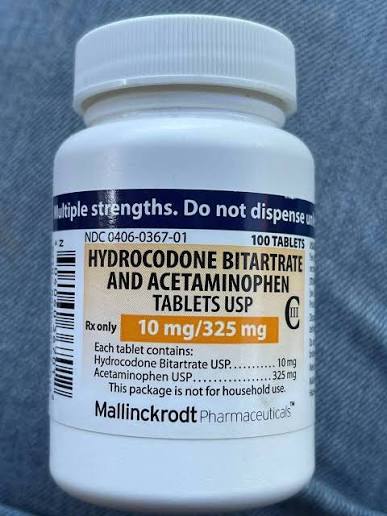
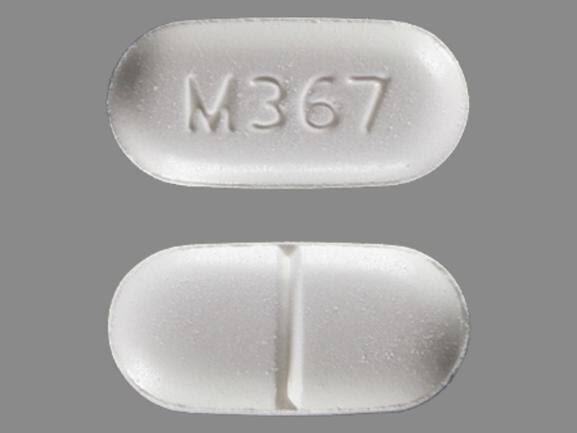
Description
Hydrocodone: Uses, Benefits, Dosage, Side Effects & Safety
Hydrocodone is a prescription opioid medication used to manage certain types of moderate to severe pain. It works primarily by changing the way the brain and nervous system perceive and respond to pain. Some hydrocodone products are also combined with other medicines, such as acetaminophen, depending on the specific formulation.
Because hydrocodone is an opioid, it can cause drowsiness, respiratory depression, tolerance, physical dependence, and addiction. It should therefore be used only under the direction of a qualified healthcare professional. Understanding hydrocodone uses, potential benefits, side effects, interactions, and safety precautions can help patients use this medication more responsibly.
What Is Hydrocodone?
Hydrocodone is a semi-synthetic opioid analgesic available in prescription medicines. It is primarily used for pain management when a healthcare professional determines that an opioid is appropriate.
Some hydrocodone products contain hydrocodone as the main active ingredient, while others combine hydrocodone with acetaminophen. The exact ingredients, strengths, and approved uses depend on the specific product.
Because different formulations have different instructions and risks, patients should carefully follow the directions provided with their prescribed medication.
What Is Hydrocodone Used For?
Hydrocodone may be prescribed for the management of pain that is severe enough to require an opioid analgesic when alternative treatment options are inadequate.
Depending on the product and individual circumstances, it may be considered for:
- Moderate to severe pain
- Certain short-term pain conditions
- Pain following some medical procedures or injuries
- Persistent pain when an opioid is considered medically appropriate
Hydrocodone should not automatically be considered the first treatment for pain. Healthcare professionals generally consider the cause and severity of pain, medical history, previous treatments, and potential risks before prescribing an opioid.
Potential Benefits of Hydrocodone
When appropriately prescribed, hydrocodone may provide several potential benefits.
1. Pain Relief
Hydrocodone acts on opioid receptors in the central nervous system and can reduce the perception of pain. This can provide meaningful relief for patients experiencing certain moderate to severe pain conditions.
2. May Improve Comfort
Effective pain control can make it easier for some patients to rest, move, participate in rehabilitation, or perform necessary daily activities.
3. Different Prescription Formulations
Hydrocodone is available in different prescription formulations. Some products contain hydrocodone alone, while others combine it with acetaminophen. The appropriate product depends on the patient’s condition and the healthcare professional’s assessment.
How Does Hydrocodone Work?
Hydrocodone works primarily by binding to mu-opioid receptors in the central nervous system.
These receptors influence the body’s perception of pain. By activating them, hydrocodone can reduce how strongly pain signals are experienced and can produce analgesic effects.
The same action can also affect breathing, alertness, coordination, and gastrointestinal activity. This is why hydrocodone requires careful medical supervision.
Hydrocodone Dosage
Hydrocodone dosage depends on several individual factors, including:
- Severity and type of pain
- Specific hydrocodone formulation
- Previous opioid exposure
- Age
- Other medications
- Liver and kidney function
- Overall health
- Individual response to treatment
Patients should take hydrocodone exactly as prescribed. Never increase the dose, take it more frequently, or use someone else’s medication.
If the prescribed medication does not provide adequate pain relief, speak with the prescribing healthcare professional rather than changing the dose independently.
Hydrocodone Side Effects
Hydrocodone can cause side effects. Common effects may include:
- Drowsiness
- Dizziness
- Nausea
- Vomiting
- Constipation
- Headache
- Fatigue
- Lightheadedness
These effects may be more noticeable when treatment begins or when the dose is changed.
Because hydrocodone can impair alertness and coordination, patients should be cautious with driving or operating machinery until they know how the medication affects them.
Serious Hydrocodone Side Effects
Hydrocodone can cause potentially serious complications, particularly when taken incorrectly or combined with other substances that depress the central nervous system.
Serious risks include:
- Severe respiratory depression
- Extreme sleepiness
- Loss of consciousness
- Low blood pressure
- Severe allergic reactions
- Misuse and addiction
- Physical dependence
- Overdose
Slow, shallow, or difficult breathing, inability to wake, or severe unresponsiveness should be treated as a medical emergency.
Hydrocodone and Alcohol
Combining hydrocodone with alcohol can significantly increase sedation and respiratory depression. The combination may increase the risk of overdose and death.
Patients taking hydrocodone should discuss alcohol use with their healthcare professional and should not combine the medication with alcohol unless specifically instructed that it is safe.
Hydrocodone Drug Interactions
Hydrocodone can interact with numerous medications and substances. Before starting treatment, tell your healthcare professional about all prescription medicines, over-the-counter products, supplements, and recreational substances you use.
Particular caution is required with other central nervous system depressants, including:
- Benzodiazepines
- Other opioids
- Certain sleeping medications
- Sedating antihistamines
- Muscle relaxants
- Alcohol
- Other medicines that may impair breathing or alertness
Combining opioids with certain sedating medicines can increase the risk of profound sedation, respiratory depression, coma, and death.
Hydrocodone and Acetaminophen
Some hydrocodone prescription products contain acetaminophen in addition to hydrocodone.
Acetaminophen is commonly used for pain and fever, but taking too much can cause serious liver damage.
Patients using a hydrocodone/acetaminophen product should check other medicines for acetaminophen to avoid accidentally exceeding recommended amounts.
Always follow the product label and healthcare professional’s instructions.
Can Hydrocodone Cause Dependence?
Yes. Hydrocodone can cause physical dependence, tolerance, misuse, and addiction.
Physical dependence means that the body adapts to the medication. If someone has been taking hydrocodone regularly, suddenly stopping it may produce withdrawal symptoms.
Patients should not abruptly discontinue regular opioid treatment without discussing it with their healthcare professional. A medically appropriate taper may be recommended when treatment is no longer needed.
Who Should Be Careful With Hydrocodone?
Tell your healthcare professional if you have:
- Breathing problems
- Asthma or chronic respiratory disease
- Sleep apnea
- Liver or kidney problems
- A history of substance use disorder
- Head injury
- Seizure disorders
- Low blood pressure
- Gallbladder or gastrointestinal problems
- Previous allergic reactions to opioids
Your healthcare professional can determine whether hydrocodone is appropriate based on your medical history and other risk factors.
Safe Use of Hydrocodone
For safer use:
- Take hydrocodone exactly as prescribed.
- Never take more than the prescribed amount.
- Do not share prescription medication.
- Avoid alcohol and unauthorized sedating substances.
- Tell your healthcare professional about all medications you use.
- Do not drive if you feel impaired or unusually sleepy.
- Keep the medication securely stored away from children and other people.
- Do not crush, alter, or misuse formulations unless specifically instructed.
- Never obtain prescription opioids from unverified sources.
- Discuss dependence, withdrawal, or dosage concerns with your healthcare professional.
Frequently Asked Questions
What is hydrocodone used for?
Hydrocodone is a prescription opioid used to manage certain moderate to severe pain conditions when a healthcare professional determines that opioid therapy is appropriate.
Is hydrocodone an opioid?
Yes. Hydrocodone is an opioid analgesic that acts primarily on mu-opioid receptors in the central nervous system.
Does hydrocodone make you sleepy?
It can. Drowsiness, dizziness, and impaired alertness are possible side effects. Avoid driving or operating machinery if you are affected.
Can hydrocodone be taken with alcohol?
Combining hydrocodone with alcohol can dangerously increase sedation and respiratory depression. Alcohol should be avoided unless a healthcare professional specifically advises otherwise.
Is hydrocodone addictive?
Hydrocodone can cause misuse, tolerance, physical dependence, and addiction. It should only be taken according to a healthcare professional’s instructions.
Does hydrocodone contain acetaminophen?
Some hydrocodone products contain acetaminophen, while others do not. Check the specific product’s ingredients and avoid taking additional acetaminophen without medical guidance.
Final Thoughts
Hydrocodone can provide effective pain relief for appropriately selected patients with moderate to severe pain. However, because it is an opioid, it carries significant risks, including respiratory depression, overdose, dependence, misuse, and addiction.
Safe use depends on following the prescribed directions, avoiding dangerous drug combinations, and maintaining communication with a healthcare professional. Patients should never increase their dose or combine hydrocodone with alcohol or other sedating substances without medical guidance.
If pain remains uncontrolled, becomes worse, or requires prolonged opioid treatment, speak with a qualified healthcare professional. They can reassess the underlying condition and determine whether hydrocodone remains appropriate or whether another pain-management strategy would be safer.
Reviews
There are no reviews yet.