
Description
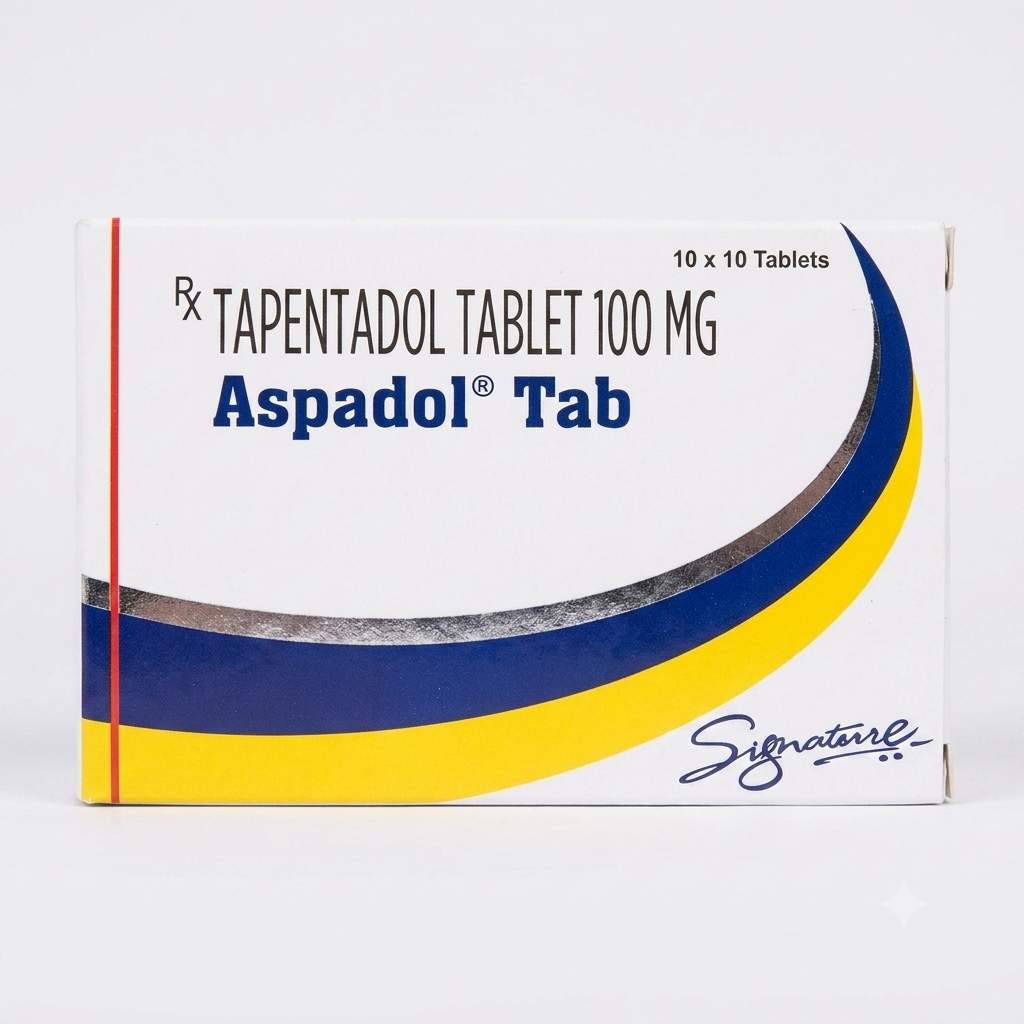
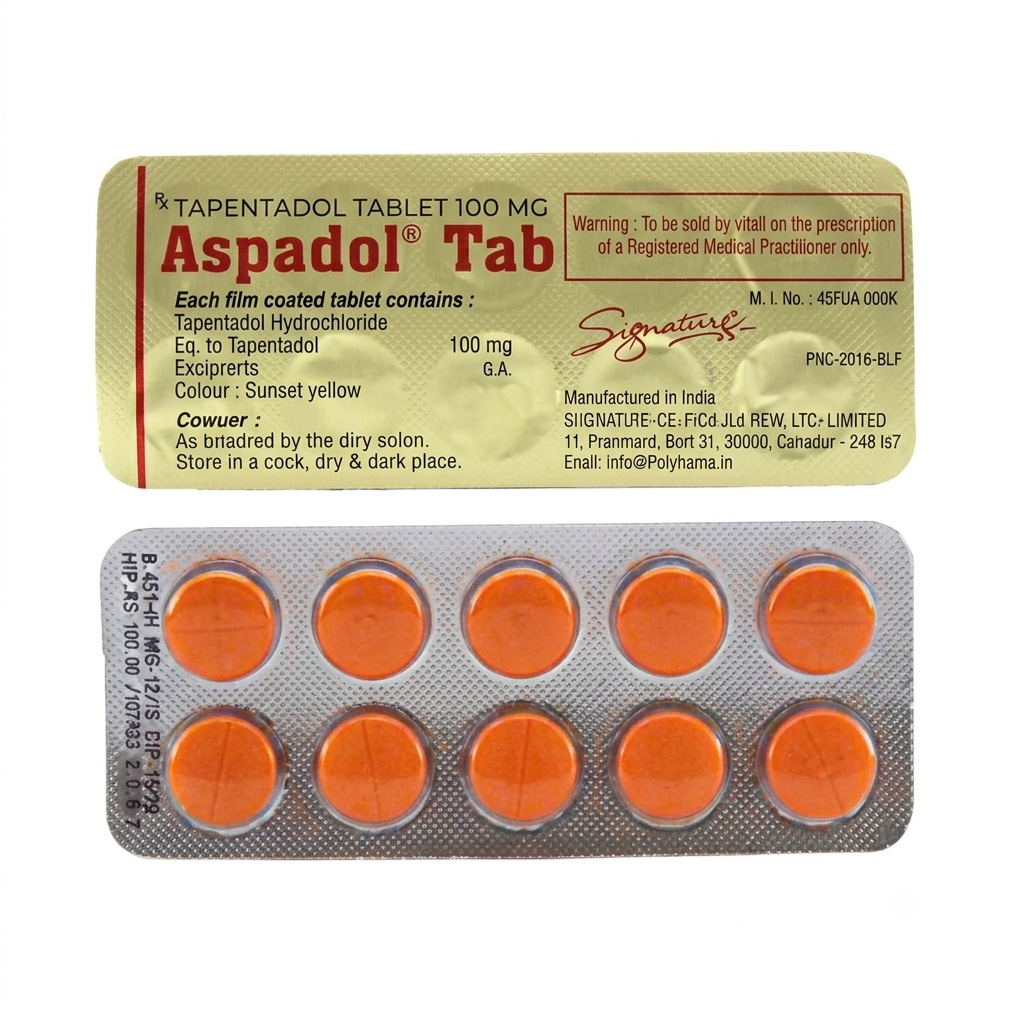
Aspadol (Tapentadol): Uses, Benefits, Dosage, Side Effects & Safety
Aspadol is a brand name associated with tapentadol, a prescription pain-relief medicine used to manage certain types of moderate to severe pain. Tapentadol works through two complementary mechanisms: it acts as a mu-opioid receptor agonist and also inhibits the reuptake of norepinephrine. Because it affects the central nervous system and can cause dependence and serious adverse effects, Aspadol should be used only under the supervision of a qualified healthcare professional.
Understanding Aspadol’s uses, potential benefits, dosage considerations, side effects, interactions, and safety precautions can help patients make informed decisions about pain management.
What Is Aspadol?
Aspadol contains tapentadol, an opioid analgesic prescribed for certain pain conditions. Depending on the formulation and local prescribing guidelines, tapentadol may be used for acute pain or other clinically appropriate pain conditions.
Unlike ordinary over-the-counter pain relievers, tapentadol acts directly on pathways involved in the perception and transmission of pain. Its dual mechanism can provide analgesic effects while also affecting the central nervous system.
Because tapentadol is an opioid medicine, it is not appropriate for everyone. A healthcare professional should evaluate the cause and severity of pain before prescribing it.
What Is Aspadol Used For?
Aspadol (tapentadol) may be prescribed for the management of moderate to severe acute pain when a healthcare professional determines that an opioid analgesic is appropriate.
Pain can result from many different causes, including injuries, surgery, or other medical conditions. Treatment depends on the underlying cause, intensity, duration, and individual patient factors.
A healthcare professional may consider tapentadol when other pain-management options are not sufficient or appropriate.
Potential Benefits of Aspadol
When prescribed appropriately, tapentadol may provide several potential benefits.
1. Helps Relieve Moderate to Severe Pain
Tapentadol can reduce the perception of pain by acting on the central nervous system. This can help patients manage pain when non-opioid options do not provide adequate relief.
2. Dual Mechanism of Action
Tapentadol has two primary pharmacological actions. It activates mu-opioid receptors while also increasing norepinephrine activity by inhibiting its reuptake.
This combination contributes to its analgesic effects and distinguishes tapentadol from some traditional opioid medications.
3. Can Support Recovery and Daily Function
When pain is appropriately controlled, some patients may find it easier to move, rest, participate in rehabilitation, or perform necessary daily activities. Pain management should always be part of an overall treatment plan rather than the only approach to recovery.
4. Available in Different Formulations
Tapentadol is available in different formulations and strengths depending on the country and product. The appropriate formulation and dose depend on the patient’s medical condition and the prescribing professional’s assessment.
How Does Aspadol Work?
Tapentadol works through two major mechanisms.
First, it is a mu-opioid receptor agonist. Activation of these receptors changes how the central nervous system processes pain signals.
Second, tapentadol inhibits the reuptake of norepinephrine, increasing norepinephrine activity in certain parts of the nervous system involved in pain regulation.
The combination of these mechanisms contributes to tapentadol’s analgesic effect.
Because these mechanisms also affect the brain and nervous system, tapentadol can cause drowsiness, dizziness, impaired coordination, respiratory depression, and other opioid-related effects.
Aspadol Dosage
The appropriate tapentadol dosage varies according to factors such as:
- Type and severity of pain
- Patient age
- Previous exposure to opioid medications
- Other medical conditions
- Other medications being taken
- Kidney and liver function
- Individual response to treatment
Patients should take Aspadol exactly as prescribed. The dose should not be increased, reduced, or taken more frequently without medical advice.
Different tapentadol formulations are not necessarily interchangeable. Extended-release products, for example, have different instructions from immediate-release formulations.
Aspadol Side Effects
Aspadol can cause side effects. Common reactions may include:
- Nausea
- Vomiting
- Dizziness
- Drowsiness
- Headache
- Constipation
- Dry mouth
- Fatigue
These effects may be more noticeable when beginning treatment or when the dosage changes.
Patients should avoid driving or operating machinery if tapentadol causes drowsiness, dizziness, or impaired alertness.
Serious Side Effects and Warning Signs
As an opioid medication, tapentadol can cause serious adverse effects, particularly when taken incorrectly or combined with other substances that depress the central nervous system.
Potentially serious complications include:
- Slow or difficult breathing
- Severe sedation
- Loss of consciousness
- Severe allergic reactions
- Confusion
- Seizures
- Dependence or addiction
- Accidental overdose
Difficulty breathing, extreme sleepiness, unresponsiveness, or other severe symptoms require urgent medical attention.
Aspadol and Alcohol
Alcohol can increase the sedative effects of tapentadol and may increase the risk of dangerous respiratory depression, profound sedation, and overdose.
For this reason, patients taking tapentadol should discuss alcohol use with their healthcare professional and generally avoid combining the medication with alcohol unless specifically advised otherwise.
Aspadol Drug Interactions
Tapentadol can interact with various medications and substances. Before starting treatment, patients should tell their healthcare professional about all prescription medicines, over-the-counter products, supplements, and recreational substances they use.
Important interactions may involve:
- Other opioid medicines
- Benzodiazepines
- Sleeping medications
- Other central nervous system depressants
- Certain antidepressants
- Monoamine oxidase inhibitors
- Alcohol
- Other medicines that affect serotonin or norepinephrine
Some combinations can increase sedation, respiratory depression, or the risk of other serious reactions.
Aspadol and Dependence
Tapentadol is an opioid and can lead to physical dependence, tolerance, misuse, and addiction.
Dependence means the body can adapt to continued exposure to the medicine. Abruptly stopping regular treatment can result in withdrawal symptoms.
Patients who have been using tapentadol regularly should not suddenly stop treatment without discussing a suitable plan with their healthcare professional.
Never share tapentadol with another person, even if they have similar pain.
Who Should Be Careful With Aspadol?
Aspadol may require particular caution in people with certain medical conditions. Tell your healthcare professional if you have:
- Breathing problems
- Severe asthma
- Sleep apnea
- Liver disease
- Kidney problems
- A history of seizures
- Head injury
- Problems with substance misuse
- Severe gastrointestinal conditions
- Mental health conditions
- Previous allergic reactions to opioids
Your healthcare professional can determine whether tapentadol is appropriate based on your individual circumstances.
Safe Use of Aspadol
To reduce avoidable risks:
- Take Aspadol exactly as prescribed.
- Never take more than the recommended amount.
- Do not share the medication.
- Avoid alcohol unless your healthcare professional specifically advises otherwise.
- Tell your doctor about all other medications you take.
- Do not drive if you feel sleepy, dizzy, or impaired.
- Store the medication securely and away from children.
- Never use medication obtained from an unverified source.
- Do not change the dosage without medical advice.
- Discuss concerns about dependence or withdrawal with your healthcare professional.
Frequently Asked Questions
What is Aspadol used for?
Aspadol contains tapentadol and may be prescribed to manage certain types of moderate to severe pain.
Is Aspadol an opioid?
Yes. Tapentadol is an opioid analgesic with additional norepinephrine reuptake inhibition.
Can Aspadol cause drowsiness?
Yes. Drowsiness, dizziness, and impaired alertness can occur. Patients should avoid driving or operating machinery if affected.
Can Aspadol be taken with alcohol?
Combining tapentadol with alcohol can increase potentially dangerous sedation and respiratory depression. Discuss alcohol use with a healthcare professional.
Is Aspadol addictive?
Tapentadol can cause misuse, dependence, tolerance, and addiction because it is an opioid medication. It should therefore be used only as prescribed.
Can I change my Aspadol dosage?
No. Dosage changes should be discussed with the prescribing healthcare professional. Different tapentadol formulations also have different dosing instructions.
Final Thoughts
Aspadol (tapentadol) is a prescription opioid medication that may provide pain relief for appropriately selected patients with moderate to severe pain. Its dual mechanism of action allows it to influence pain processing through both mu-opioid receptor activity and norepinephrine reuptake inhibition.
However, Aspadol is not suitable for everyone and carries important risks, including drowsiness, respiratory depression, drug interactions, dependence, misuse, and overdose. Following the prescribed instructions, avoiding dangerous combinations, and maintaining communication with a qualified healthcare professional are essential for safer treatment.
If pain persists or becomes worse despite treatment, patients should seek medical evaluation rather than increasing the medication themselves. A healthcare professional can reassess the underlying cause of pain and determine whether tapentadol or another treatment approach is appropriate.
Reviews
There are no reviews yet.