
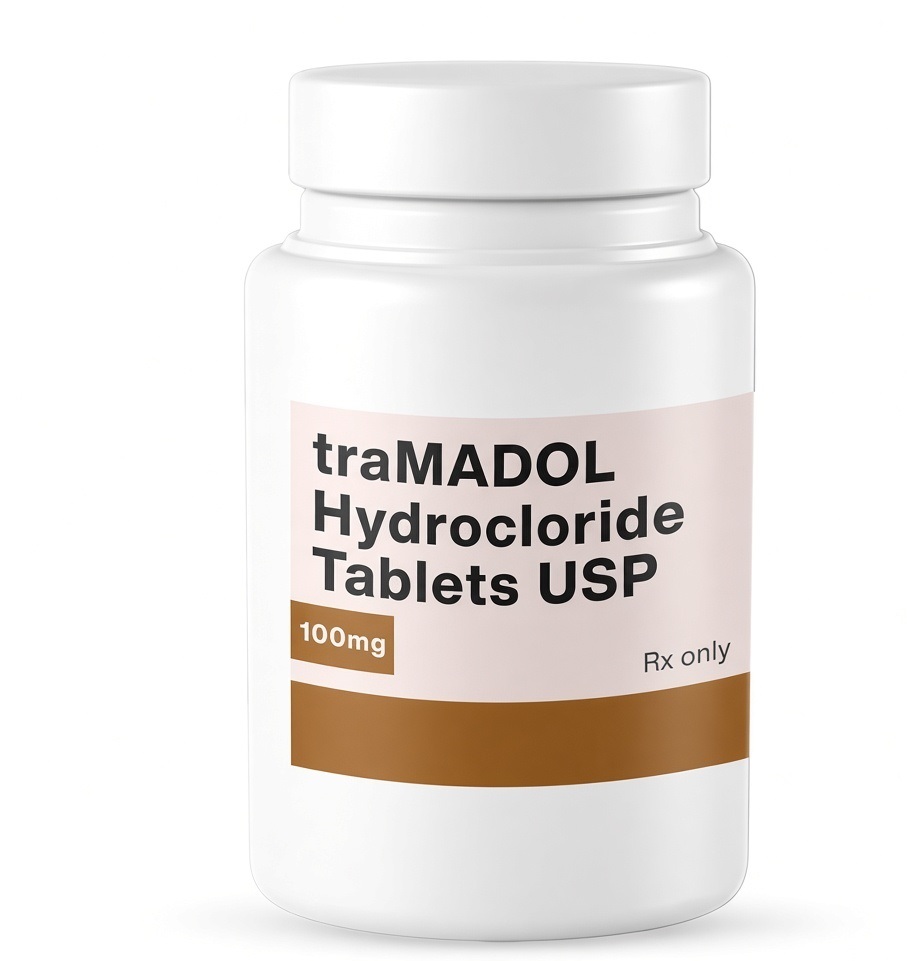

Description
Tramadol: Uses, Benefits, Side Effects, and Safety Information
What Is Tramadol?
Tramadol is a prescription opioid pain medicine used to manage certain types of pain when treatment with an opioid is considered appropriate. It works through more than one mechanism, including activity at opioid receptors and effects on neurotransmitters involved in pain signaling.
Tramadol is available in different formulations, including immediate-release and extended-release products. The appropriate formulation depends on the patient’s condition and treatment plan.
Because tramadol can cause respiratory depression, misuse, dependence, addiction, and overdose, it should be used only under the direction of a qualified healthcare professional.
How Does Tramadol Work?
Tramadol has two primary mechanisms of action.
First, it acts as a mu-opioid receptor agonist, changing how the central nervous system perceives and responds to pain.
Second, tramadol inhibits the reuptake of norepinephrine and serotonin, which can contribute to its pain-relieving effects.
Because tramadol affects several neurotransmitter systems, it can interact with certain antidepressants and other medicines.
What Is Tramadol Used For?
Healthcare professionals may prescribe tramadol for the management of certain types of pain when an opioid analgesic is considered medically appropriate.
Treatment decisions may depend on:
- The severity and type of pain
- The underlying cause of the pain
- Previous treatments
- Other medicines being used
- Medical history
- Individual risk factors
The specific formulation and treatment duration should be determined by a healthcare professional.
Potential Benefits of Tramadol
When appropriately prescribed, tramadol may provide relief from certain types of moderate to moderately severe pain.
Its effects on opioid receptors and neurotransmitter reuptake provide a different pharmacological profile from some other opioid medicines.
However, potential benefits must always be balanced against risks such as respiratory depression, dependence, misuse, seizures, and drug interactions.
Common Side Effects of Tramadol
Some people taking tramadol may experience:
- Nausea
- Dizziness
- Drowsiness
- Constipation
- Headache
- Vomiting
- Dry mouth
- Fatigue
- Sweating
Tramadol can affect alertness and coordination. Patients should avoid driving or operating machinery until they understand how the medicine affects them.
Serious Safety Warnings
Tramadol can cause serious or potentially life-threatening respiratory depression, particularly when treatment is started, the dose is increased, or it is combined with other central nervous system depressants.
Other important risks include:
- Misuse
- Addiction
- Physical dependence
- Withdrawal
- Overdose
- Seizures
- Serotonin syndrome
The risk of serious effects may increase when tramadol is combined with certain medicines or substances.
Tramadol and Alcohol
Alcohol can increase the sedative effects of tramadol and may increase the risk of dangerous respiratory depression.
Combining tramadol with alcohol or other central nervous system depressants can result in severe sedation, loss of consciousness, or other serious complications.
Avoid alcohol while taking tramadol unless your healthcare professional specifically advises otherwise.
Tramadol and Other Medications
Tramadol can interact with many medicines.
Particular caution is required with medicines that affect serotonin, including certain antidepressants. Combining serotonergic medicines with tramadol can increase the risk of serotonin syndrome.
Other central nervous system depressants, including certain sedatives and sleeping medicines, can increase the risk of sedation and respiratory depression.
Always tell your doctor or pharmacist about all prescription medicines, over-the-counter products, supplements, and other substances you use.
Tramadol and Seizure Risk
Tramadol can increase the risk of seizures in some people. The risk may be higher in individuals with a history of seizures or when tramadol is combined with certain medicines that lower the seizure threshold.
Anyone with a seizure disorder or relevant medical history should discuss this with a healthcare professional before taking tramadol.
Serotonin Syndrome
Because tramadol affects serotonin, combining it with certain serotonergic medicines can potentially cause serotonin syndrome.
Possible symptoms include:
- Agitation
- Confusion
- Sweating
- Fever
- Rapid heartbeat
- Tremor
- Muscle stiffness
- Loss of coordination
Serotonin syndrome can be serious. Seek urgent medical attention if severe or rapidly developing symptoms occur.
Dependence and Withdrawal
Regular use of tramadol can result in physical dependence. If the medicine is stopped suddenly after regular use, withdrawal symptoms may occur.
Possible symptoms include:
- Restlessness
- Anxiety
- Sweating
- Muscle aches
- Runny nose
- Difficulty sleeping
- Nausea
- Abdominal discomfort
Patients who have been taking tramadol regularly should not stop treatment suddenly without medical advice. A healthcare professional can determine whether gradual reduction is appropriate.
Recognizing a Tramadol Overdose
A tramadol overdose can be life-threatening. Warning signs may include:
- Very slow or shallow breathing
- Extreme sleepiness
- Inability to wake
- Loss of consciousness
- Severe weakness
- Seizures
If an opioid overdose is suspected, seek emergency medical assistance immediately. Naloxone may reverse opioid-related respiratory depression and can be lifesaving when administered promptly.
Who Should Discuss Tramadol Carefully With a Doctor?
Before taking tramadol, tell your healthcare professional about your complete medical history and all medicines you use.
Extra caution may be necessary for people with:
- Breathing problems
- Sleep apnea
- Seizure disorders
- Liver or kidney problems
- A history of substance use disorder
- Head injuries
- Mental health conditions
- Use of antidepressants or other serotonergic medicines
Older adults may also be more sensitive to dizziness, sedation, and other opioid-related effects.
Frequently Asked Questions
Is tramadol an opioid?
Yes. Tramadol is an opioid analgesic, although its pharmacological effects also involve norepinephrine and serotonin pathways.
What is tramadol used for?
Tramadol is prescribed for certain types of pain when an opioid analgesic is considered appropriate.
Can tramadol cause dependence?
Yes. Regular use can result in physical dependence, and tramadol carries risks of misuse, addiction, and withdrawal.
Can tramadol cause seizures?
Yes. Tramadol can increase seizure risk in some people, particularly when combined with certain medicines or in individuals with relevant risk factors.
Can tramadol be taken with alcohol?
Combining tramadol with alcohol can increase sedation and the risk of respiratory depression. Alcohol should generally be avoided while taking tramadol.
Can tramadol interact with antidepressants?
Yes. Certain antidepressants and other serotonergic medicines can interact with tramadol and increase the risk of serotonin syndrome. Discuss all medicines with your healthcare professional.
Final Considerations
Tramadol is a prescription opioid medicine that can provide pain relief for certain patients when appropriately prescribed. Its effects involve both opioid receptors and neurotransmitter pathways, which also means it can interact with a range of other medicines.
Important risks include respiratory depression, misuse, dependence, addiction, seizures, serotonin syndrome, and overdose.
Use tramadol only according to your healthcare professional’s instructions. Do not share prescription medication, avoid alcohol and unapproved sedating substances, and seek emergency medical assistance if an overdose, seizure, severe breathing problem, or other serious reaction is suspected.


Reviews
There are no reviews yet.